07 — Notes

Care notes from the route.

Three pieces the desk keeps sending people. They are written from the flats, not from a product brochure.

Sand in the deck

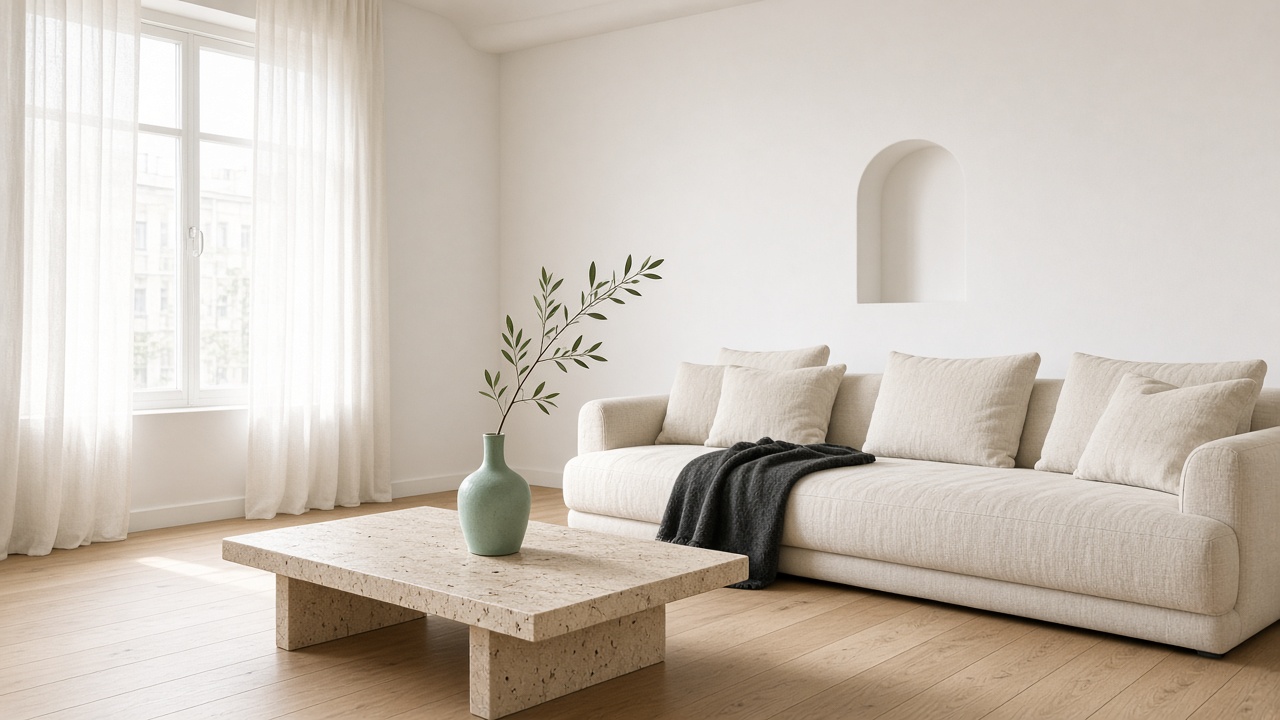
Sunlit living room with a cream sofa, the kind that collects promenade sand

A sofa in Florentin and a sofa in Ramat Aviv collect the same grit if anyone in the flat walks the promenade. It sits in the gap between the seat cushion and the deck, pale, and easy to miss until water hits it. Then it is mud, and mud needs a much harder visit than sand did.

This is why the first pass is dry, even when the photo looks “only a bit grey.” Grey, on this coast, is often quartz. Brush it toward the crevice tool. Then, and only then, the wand. If you are tempted to try a kettle and a cloth before we arrive: blot a spill, leave the sand alone, and do not soak the deck. A soaked deck the night before pushes the appointment into a longer dry time, and we will tell you that at the door.

Balcony sofas are the extreme version. Wind off the sea loads the olefin, and the foam underneath goes musty on its own schedule. Say “balcony” when you book.
Dry time, without the fairy tale

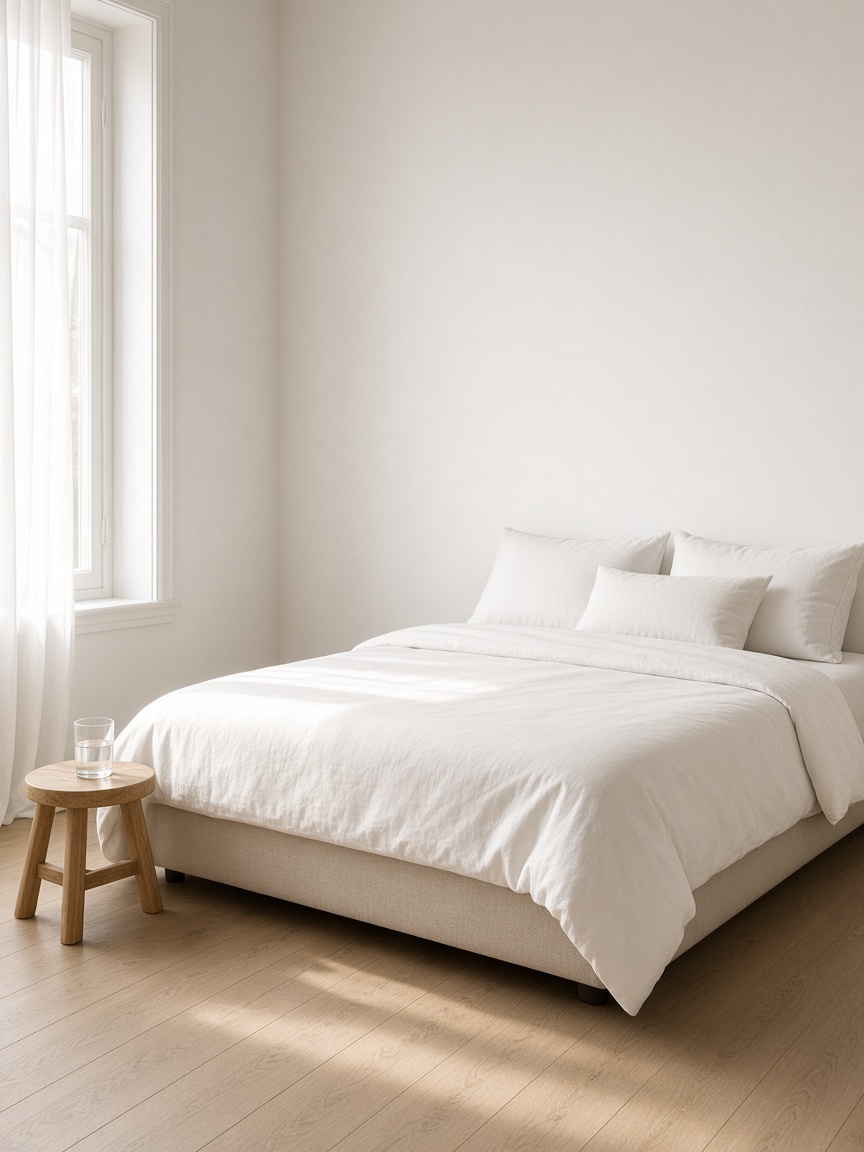
A turned-down bed showing clean mattress ticking in morning light

Twenty minutes is a number from a dry inland afternoon, repeated until it sounded like a promise. Jaffa in August is often past 70% relative humidity. A linen three-seat is dry to the touch in two to four hours if the last pass was light and the windows can open. A dense foam mattress against a wall, with the air-conditioning off because you left for the office, can take the evening.

We stand cushions on edge because the face you sit on is not the only wet face. If the building forbids open windows, say so. We will lighten the pass further rather than pretend the room is a drying loft. Sleep on the mattress the same night only if the ticking is dry to the back of your hand. If it is cool and damp, give it the night with a fan.

Hummus, espresso, then the bottle

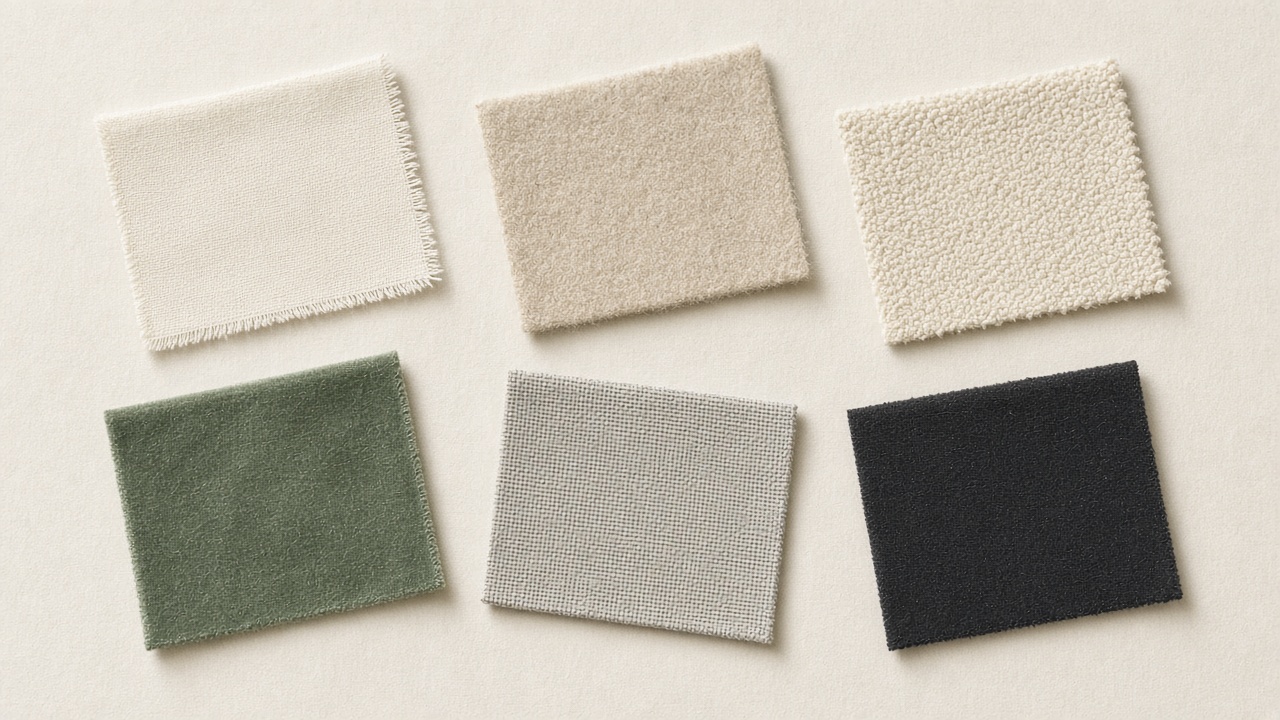
Fabric swatches used to judge how a stain will sit in the weave

Oil, tannin, and protein are three different jobs. Hummus and olive oil spread if you flood them. Blot, treat the oil, then water. Espresso and red wine are tannins; they want their own bottle, not the enzyme. Milk, formula, and urine are protein; the enzyme needs dwell time, which is the ₪90 protocol, and it does not share a cloth with the tannin step.

If all three happened on one cushion — a Friday lunch, a coffee, a baby — tell the desk in that order. We work oil, then tannin, then protein. Mixing them because it would be faster sets a pale ring that looks like damage and is actually residue. Dye that has already left the cloth will not return. We would rather show you the seam test than narrate a miracle.

Read the method Book from a photo